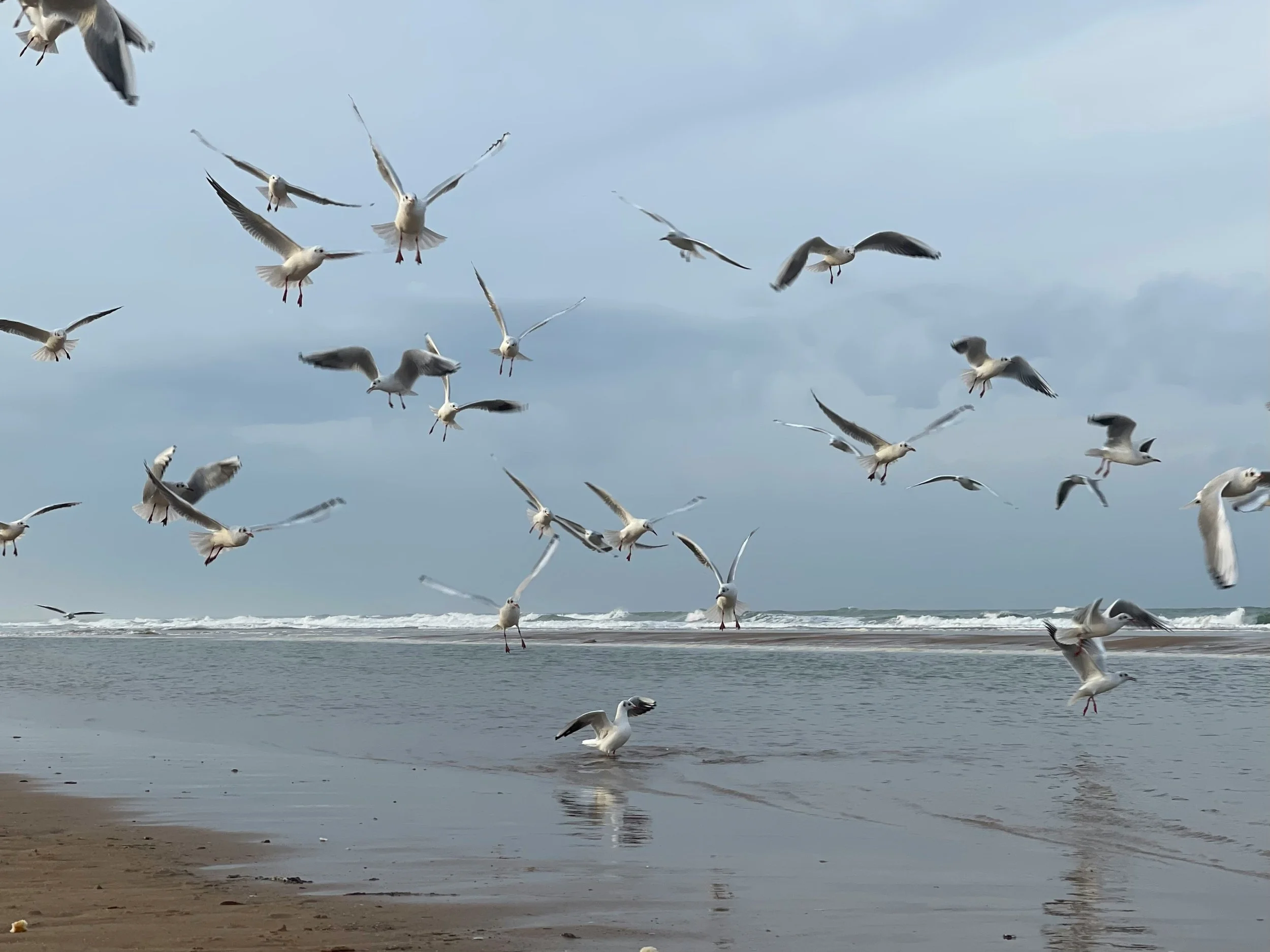
The Issue: Deadly by Location
What is being proposed?
Up to 307 turbines
Covering an area approximately four times the size of Edinburgh
Located in internationally important seabird habitat (RSPB)
Why this matters
In short - up to 4000 seabirds - already in decline - are at risk in the first year alone. Whilst blade strike is a challenge, the biggest threat to the birds is from starvation. Energy is important to migratory birds - and having to navigate further for food - and from their chicks - means they often don’t survive. The proposed site for Berwick Bank is in internationally important seabird feeding grounds.
Some of these birds live long lives - c40 years - but with low and declining broods, we are at risk of losing them from our shores.
Independent experts, including: Royal Society for the Protection of Birds (RSPB) & Scottish Seabird Centre have raised serious concerns about Seabird mortality (in particular Guillemots, Kittiwakes, Gannets, Razorbills, Puffins) (Scottish Seabird Centre) - as well as Habitat disruption & Long-term ecological impact.
Key Concerns
Wildlife at Risk
Threat to internationally important seabird populations
Potential long-term population declines
Marine Ecosystem Impact
Disruption to food chains
Disturbance of critical habitats
Decision-Making Transparency
Questions about how evidence is assessed
Concerns over reliance on unproven mitigation measures
Scale & Cumulative Impact
One of the largest offshore wind developments of its kind
Combined impact with other North Sea projects
What the experts are saying
Independent environmental organisations warn that this development could result in significant ecological impacts, particularly for seabird populations already under pressure.
Link: Read full expert analysis (Scottish Seabird Centre)
Check our media page for more reports and analysis
If solving climate change destroys ecosystems, it’s not a solution .